
A Night-Sky Observation Notebook
Original prompts for noticing patterns, sketching the view and keeping a personal record of a night outside.
On this page
An observing notebook starts with what you notice. You do not need a full sky map, a special pen or a perfect sketch. Record where you looked, what caught your eye and one question to carry into the next night.
Choose a small patch of sky and look before writing. Describe a shape, a contrast or a change. Add the date, time and place so the note has context. Leave room for a later correction. Your own description is more useful than a polished passage copied from someone else.
Notice a pattern before naming it
Find a group of points you can recognise again. Sketch their relative positions as you see them. Use a nearby roofline or tree as a rough landmark in the note. The drawing records your view; it is not a chart for another time or place.
Write what made the group stand out. Was one point brighter? Did the gaps make a line, a hook or a loose triangle? Use plain words before reaching for a name. This gives you something to compare with a chart later.
When you check the pattern, keep the first sketch. Add the name beside it rather than erasing the observation. A difference between a map and the sketch can lead to a useful question about direction, scale or the limits of the view.
Keep observation separate from interpretation
Use two short entries: “I noticed” and “I think.” The first holds what you saw. The second holds a possible reason or identification. This makes it easier to revise an idea without losing the record that led to it.
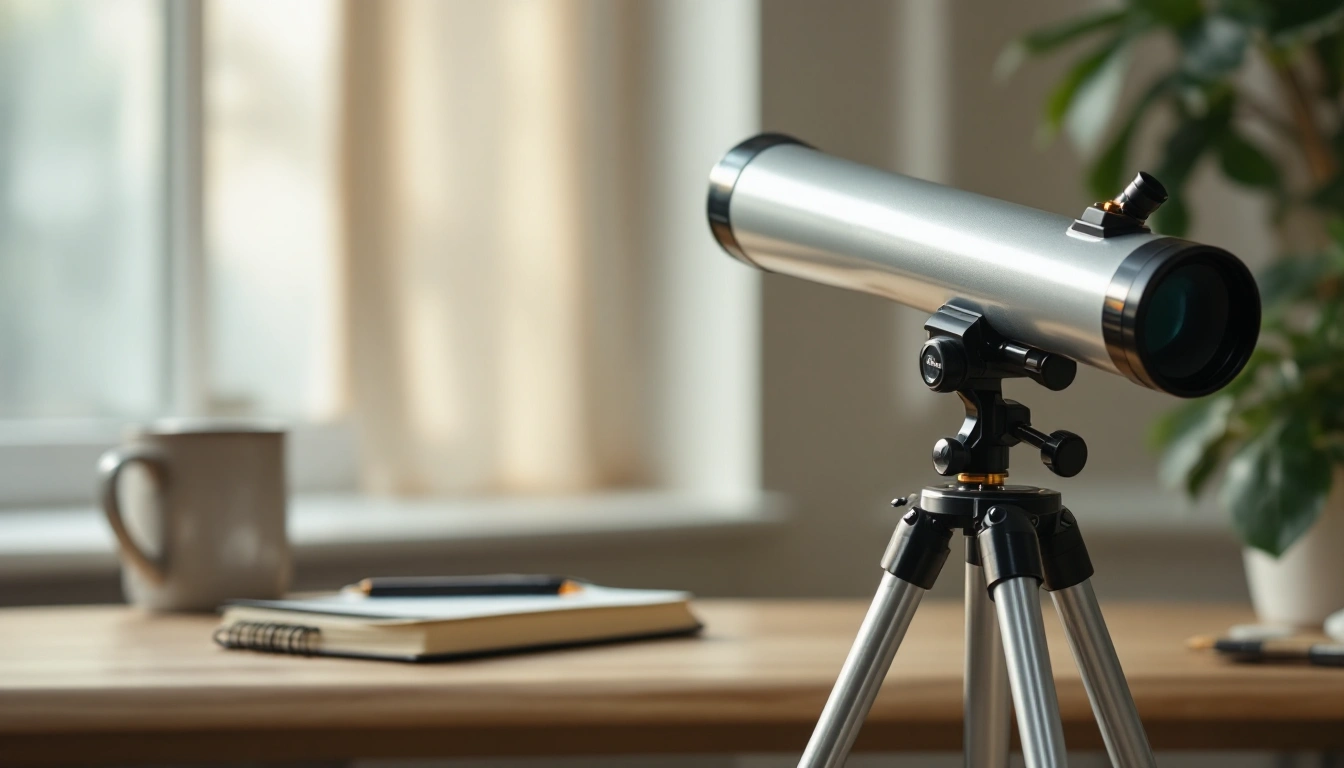
For a telescope view, note the eyepiece and the instrument. If you change the setup, start another small sketch. It is then clear which view belongs to which setting. A blurred view is worth recording too, with a note about focus, shake or clouds.
You can follow the telescope setup guide when the controls interrupt the task. The aim is to give attention back to the view, rather than spend the whole session adjusting equipment.
Try these original journal prompts
- Shape: which few points would you use to sketch this field from memory?
- Contrast: where does a bright detail meet a darker patch?
- Attention: what did you miss on the first look that appeared on the next?
- Words: how would you describe the view to someone who cannot reach the eyepiece?
- Question: what would you like to check with a map or a later observation?
- Return: what would make this patch easy to find again?
Leave a blank space after each response. A later note can sit beside the first without pretending the two views were the same. Include the conditions in your own terms, such as thin cloud or a light shining near the station.
Share a view without copying a story
People can give the same pattern different names in their own notebooks. Ask each person to explain the shape they saw. Treat a personal image as a personal image. A story about a recognised cultural tradition needs a reliable source and its own context.
For a club session, invite each person to offer a question rather than vote for the best drawing. This keeps the task open to someone who is new or has had only a short turn at the instrument. A written description can serve the same purpose as a sketch.
Take the next practical step
Use the learning section to build the next observing skill. Adults planning a group night can use the club resources to organise turns and a place to write. Keep a small notebook with the kit so the record is easy to continue.
Continue from here
Verdict
Look closely, describe what you see and mark what you still want to check. A notebook becomes useful through repeated observations, not through a perfect first page.