
After School Astronomy
Choose a First Telescope and Learn the Night Sky
Choose an instrument you can carry, aim and enjoy. Start with a clear comparison of the optics and the support underneath them.
Browse by Topic
Three Ways to Begin a Visual Setup
Read the full first-telescope comparison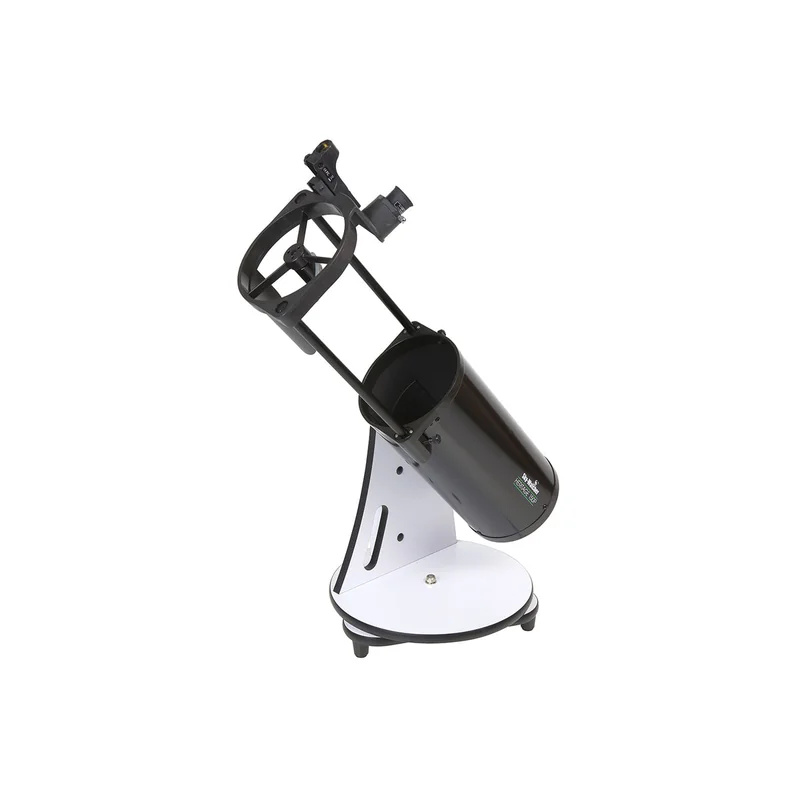 1Tabletop reflectorSky-Watcher Heritage 150
- 150 mm mirror
- Moves by hand on a tabletop base
- Needs a firm raised surface
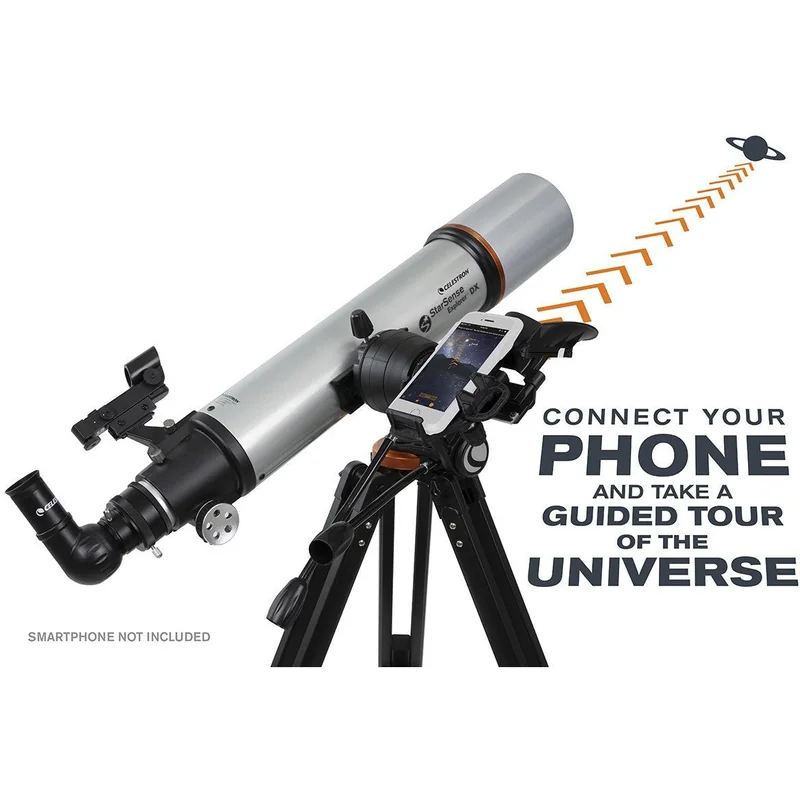 2Phone-guided findingCelestron StarSense Explorer DX 102AZ
- 102 mm lens
- Phone guide, moved by hand
- Tripod supplied
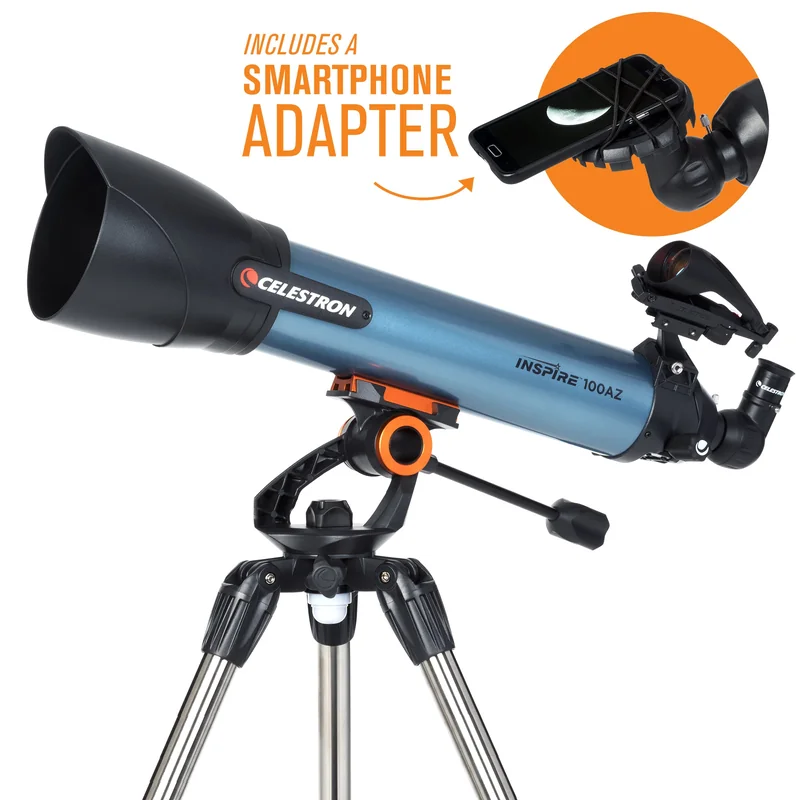 3Manual refractor kitCelestron Inspire 100AZ
- 100 mm lens
- Moves up, down, left and right
- Tripod supplied
Learn the difference
What brings the light to your eye?
Lenses, mirrors and mounts do different jobs. Learn the parts before choosing which setup suits your observing plan.
Start with the observing guides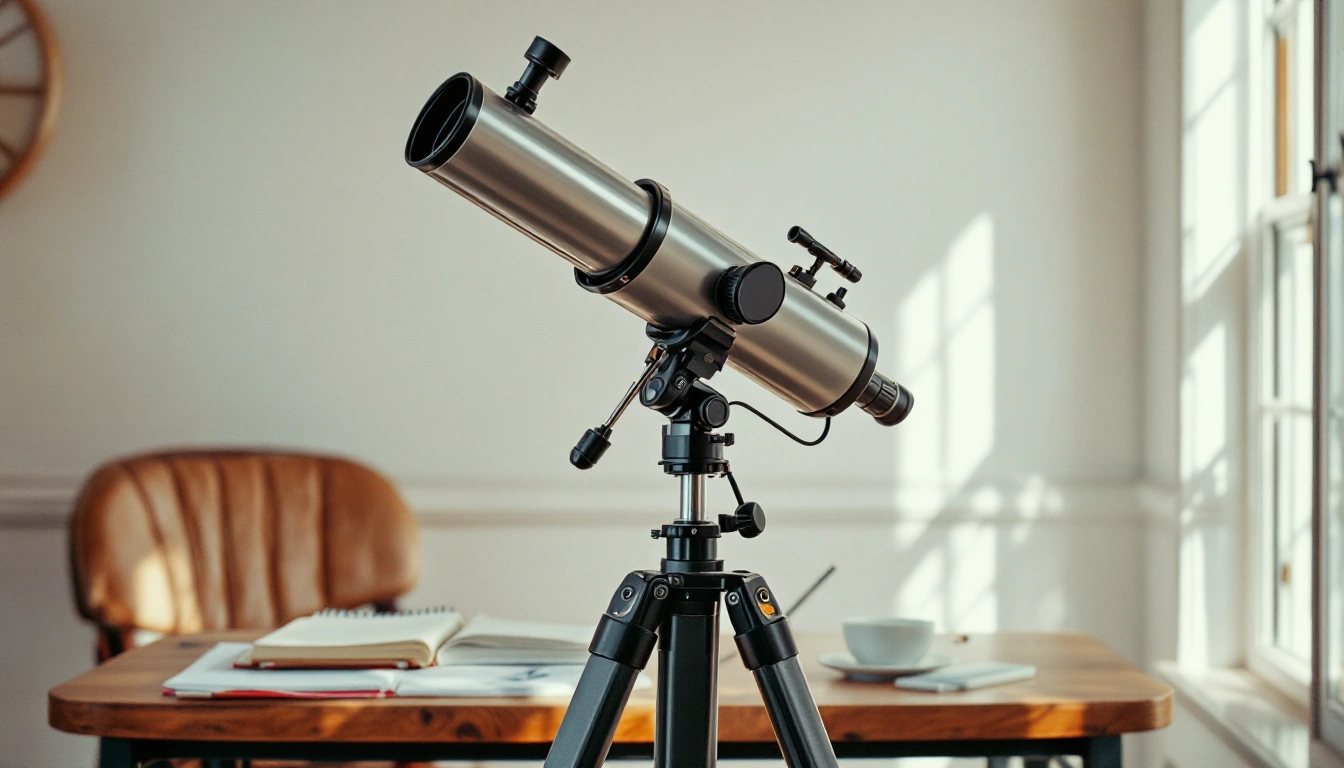
A shared family view
Let the supervising adult prepare the equipment. A comfortable position and one clear activity give the night a manageable shape.
Find adult-led activitiesA screen-based sky image
Smart telescopes build images through an app. Compare that task with the direct view through an eyepiece before choosing.
Compare smart telescope choicesA club night that runs smoothly
Give each station an adult lead, keep a weather plan and print a checklist for the session.
Plan a shared observing night