
3 Best Smart Telescopes in 2026
Compare the best smart telescope options by portability, sensor and complete setup, using maker specifications for compact DWARF cameras and Vespera II.
Our top 3 picks
#1 Fit: carrying-focused imaging where a lighter body matters.
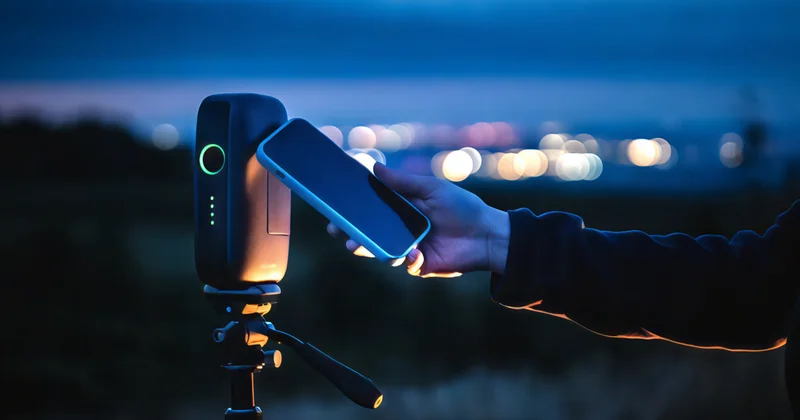
DWARF mini: a lighter body
- Sensor: Sony IMX662; 2-megapixel RAW output listed
- Body mass: 840 g
- Setup decision: Add a suitable tripod and check app compatibility
#2 Fit: an observer comparing a compact dual-camera imaging system with the mini.
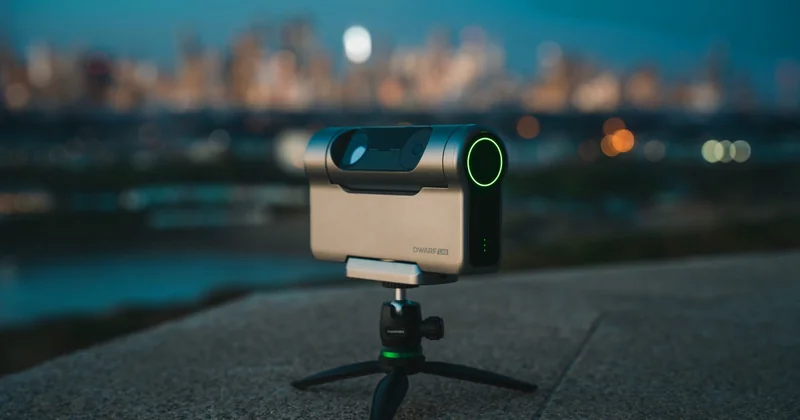
DWARF 3: the dual-camera route
- Sensor: Sony IMX678 telephoto; 8.3-megapixel format listed
- Body mass: Approximately 1.35 kg body only
- Setup decision: Allow for tripod, power and image export
#3 Fit: an app-led imaging session where the native field and maker's mosaic workflow match the target.
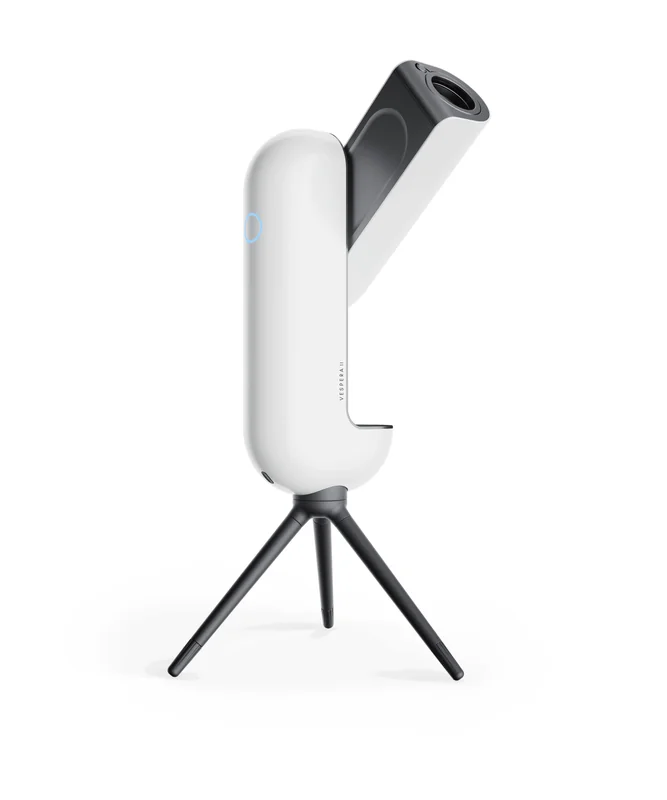
Vaonis Vespera II: a wider native field
- Sensor: Sony IMX585; 3840 by 2160 pixels
- Body mass: 5 kg
- Setup decision: Choose body-only or a package with the intended tripod
On this page
1. DWARF mini: a lighter body
Choose mini for a light camera you can carry to a clear patch of sky. It has an 840 g body, an IMX662 sensor and 2-megapixel RAW output. It uses an app for control and image export. The tripod and bag are separate.
2. DWARF 3: the dual-camera route
DWARF 3: the dual-camera route
Choose DWARF 3 when the larger telephoto image grid suits your crops or saved files. It has an IMX678 telephoto sensor and an 8.3-megapixel format. The body weighs about 1.35 kg. Allow space for the mount and power supply as well as the camera.
3. Vaonis Vespera II: a wider native field
Vaonis Vespera II: a wider native field
Choose Vespera II when its wider native field fits the object you want to record. It has a 50 mm opening, a 250 mm focal length and an IMX585 sensor. Its native field is 2.5 by 1.4 degrees. The 5 kg body is a larger carrying task than either DWARF.
Compare the picks
| Pick | Key facts | Best fit |
|---|---|---|
| DWARF mini: a lighter body | Sensor: Sony IMX662; 2-megapixel RAW output listed; Body mass: 840 g; Setup decision: Add a suitable tripod and check app compatibility | #1 Fit: carrying-focused imaging where a lighter body matters. |
| DWARF 3: the dual-camera route | Sensor: Sony IMX678 telephoto; 8.3-megapixel format listed; Body mass: Approximately 1.35 kg body only; Setup decision: Allow for tripod, power and image export | #2 Fit: an observer comparing a compact dual-camera imaging system with the mini. |
| Vaonis Vespera II: a wider native field | Sensor: Sony IMX585; 3840 by 2160 pixels; Body mass: 5 kg; Setup decision: Choose body-only or a package with the intended tripod | #3 Fit: an app-led imaging session where the native field and maker's mosaic workflow match the target. |
Factors to consider when choosing a smart telescope
Choose by the image you want and the kit you can carry. All three use a camera and app to show the sky on a screen. For a direct view through an eyepiece, choose a visual telescope.
Factors to check before choosing
Decide whether you want a screen image or a direct eyepiece view. Then name the targets and compare the native field, sensor output and documented recording modes. Do not rank systems by pixel count alone or assume that a faint-object system is a high-detail planet camera.
Count the tripod, bag, charger and compatible phone or tablet in the kit. Read what is included and keep missing costs open until verified. Body mass is useful for comparison, but it is not the weight of everything you will carry.
Check the app's current device requirements, local connection method and file exports. Pick a first target clear of roofs and trees. Follow the basic setup mode before adding mosaics or advanced processing. The smart telescope guide explains that whole workflow.
Read next
Which sky camera to choose
Choose mini for low body mass, DWARF 3 for a larger telephoto image grid, or Vespera II for its wider native field. Pick one target for the first night. Set up the tripod, connect the app and focus before starting a long stack.
FAQ
Which body is lightest here?
The mini has the lowest listed body mass in this comparison. That is only one part of the carried kit. Add the tripod, power items and bag you will actually use. A light body with an unsuitable mount is not a complete observing system.
Does a bigger sensor number prove a better picture?
No. Sensor format and output are useful facts, but optics, field, recording conditions and processing also matter. Compare a target and workflow, not just megapixels. A dark sky, sharp focus and a steady mount help you make use of that output.
Are tripods included with all three?
Both DWARF models need a separate tripod. Vespera II has body-only and tripod package choices. Choose a mount that holds the camera still at the sky angle you need, with room for the head to turn.
Can these replace a visual telescope?
They serve a screen-based imaging task. A direct optical eyepiece view is a different experience. Choose the method first, then compare products. If your main goal is looking at small planet detail through an eyepiece, use the conventional telescope guide and its stable-mount checks.