
Telescopes: Choose Your Observing Setup
Choose a telescope by observing goal, carrying needs and the complete setup you will use.
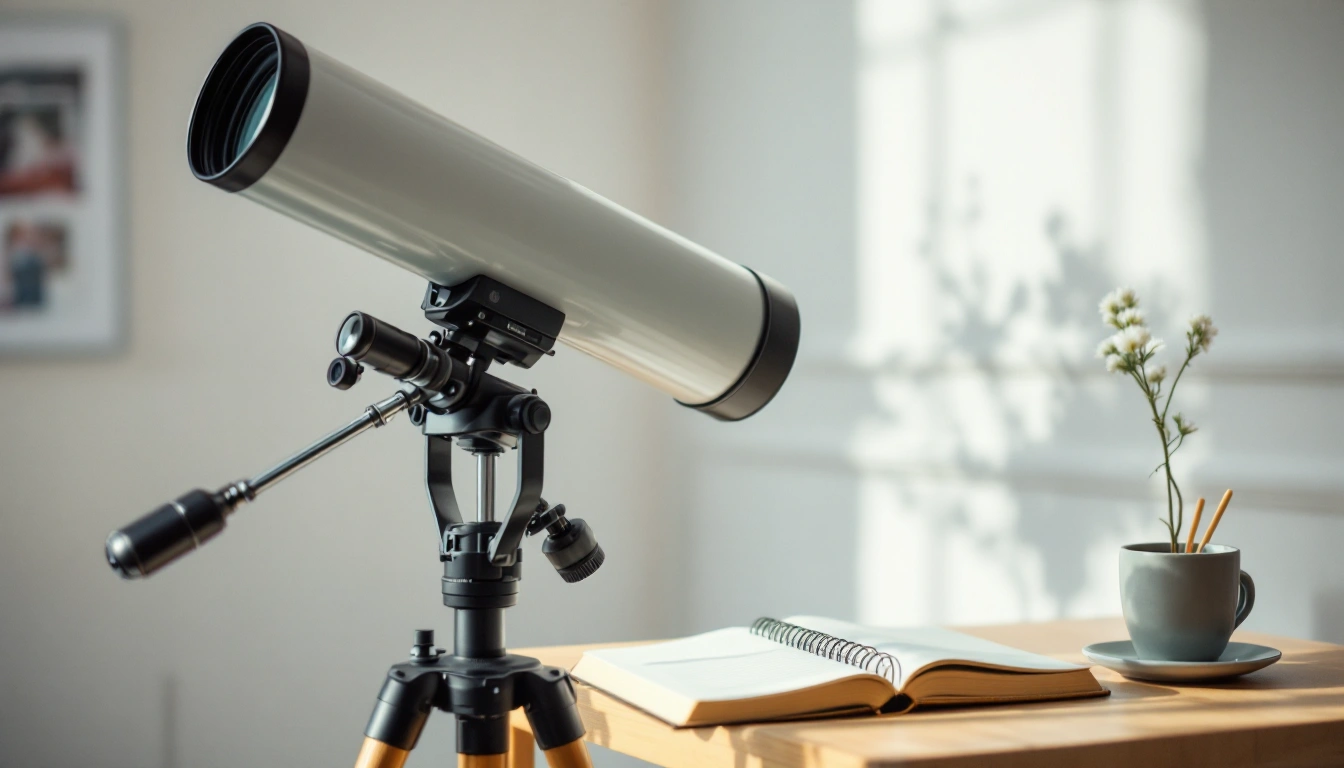
Choose a complete setup you can carry and aim, then match its optics to the view you want.
On this page
Choose the observing task first, then compare a telescope and its mount as one setup. A simple instrument is easier to use when it fits your space and the route outside. These guides separate buying decisions from the optical ideas behind them.
Find the right buying guide
The best telescopes for beginners comparison is for a first visual instrument. It explains each pick’s mount, setup and included essentials. Use it when you want a useful starting choice rather than a long list of models.
For a wider range of visual needs, use our telescope shortlist. If cost is the main constraint, compare cheap telescopes or the under-500 guide. Both focus on the equipment needed to make the telescope usable.
Carrying and storage can decide the purchase. The small-telescope comparison keeps tube weight distinct from kit weight. For a view of the bright planets, the planetary telescope guide puts mount control and realistic detail alongside aperture.
Understand the optical choices
A refracting telescope gathers light with a lens. A reflecting telescope uses a mirror. The telescope types guide explains where compound designs fit and why a mount is a separate choice.
The term Dobsonian describes a simple mount arrangement commonly used with a Newtonian reflector. Use that explainer for the design. Use the Dobsonian buying guide to compare actual instruments and their support needs.
Add accessories for a reason
A telescope eyepiece changes the magnification of the view. Its focal length and barrel must suit the telescope. The Barlow lens guide explains how an amplifier works and when a separate eyepiece makes more sense.
The accessory guide puts useful additions in order. Begin with a stable setup and the included kit. Add an item when you can name the viewing problem it solves.
Get ready for the first view
Read the setup instructions before the first night. Learn the mount controls in a safe setting and start with the supplied low-power eyepiece. A well-aligned finder can make a larger difference to that first session than another item in the case.
For the definitions behind the specifications, visit how telescopes work and aperture. The wider learning section covers the next observing steps.