
4 Refractor and Reflector Telescopes in 2026
Compare reflector vs refractor telescope designs by optical path, mounting, storage and maintenance. Use maker-backed examples to choose the full setup.
Our top 4 picks
Choose for: A rear-eyepiece view with phone-assisted target finding.
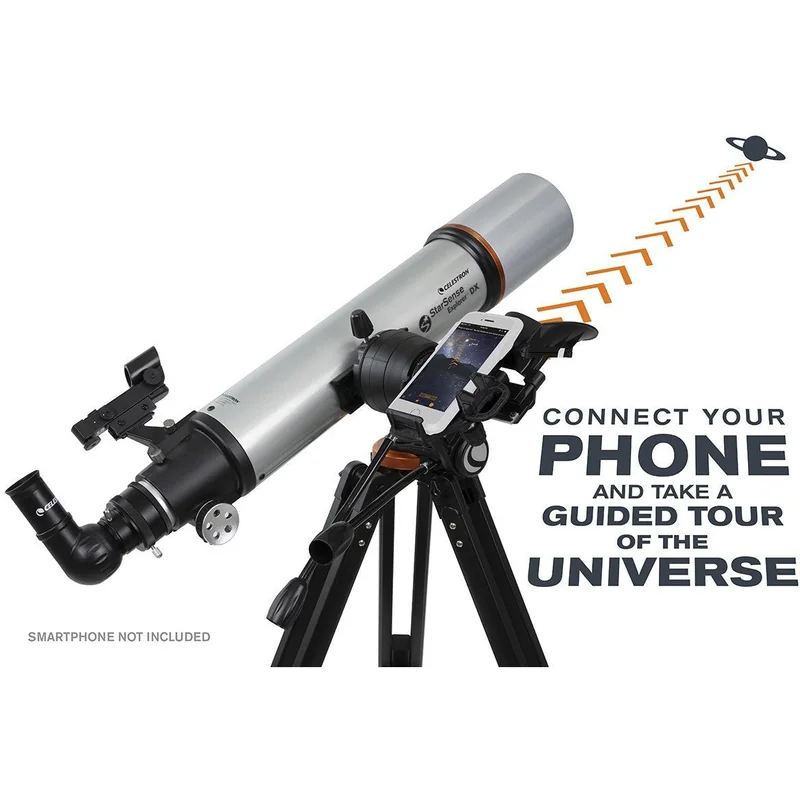
Celestron StarSense Explorer DX 102AZ
- 102 mm refractor; 660 mm focal length; manual alt-azimuth mount.
Choose for: A straightforward visual setup for an adult learning finder and mount controls.
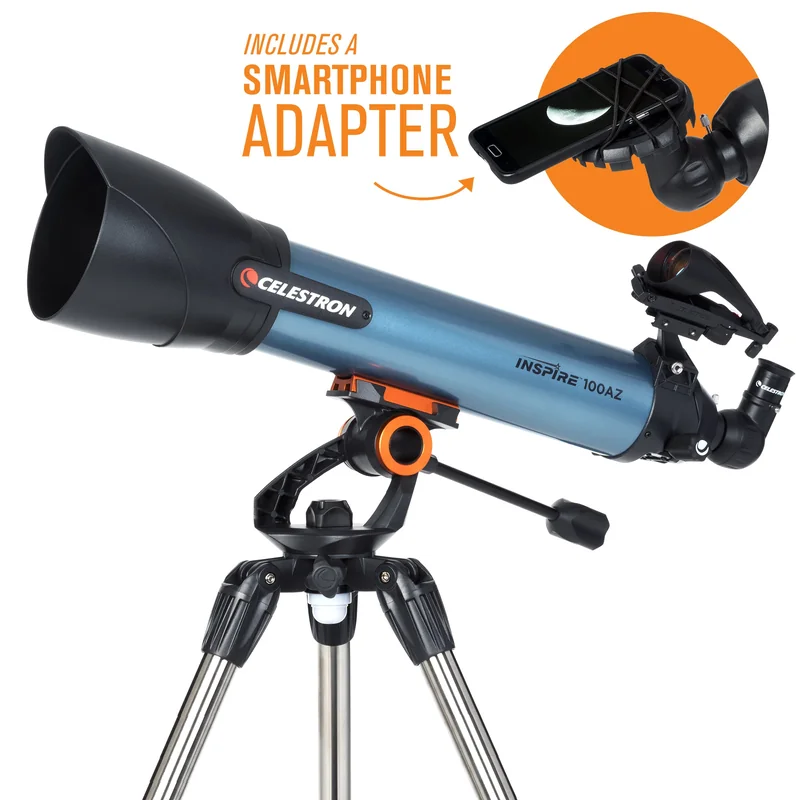
Celestron Inspire 100AZ
- 100 mm refractor; 660 mm focal length; manual tripod mount.
Choose for: A manual telescope where a firm observing surface is already practical.
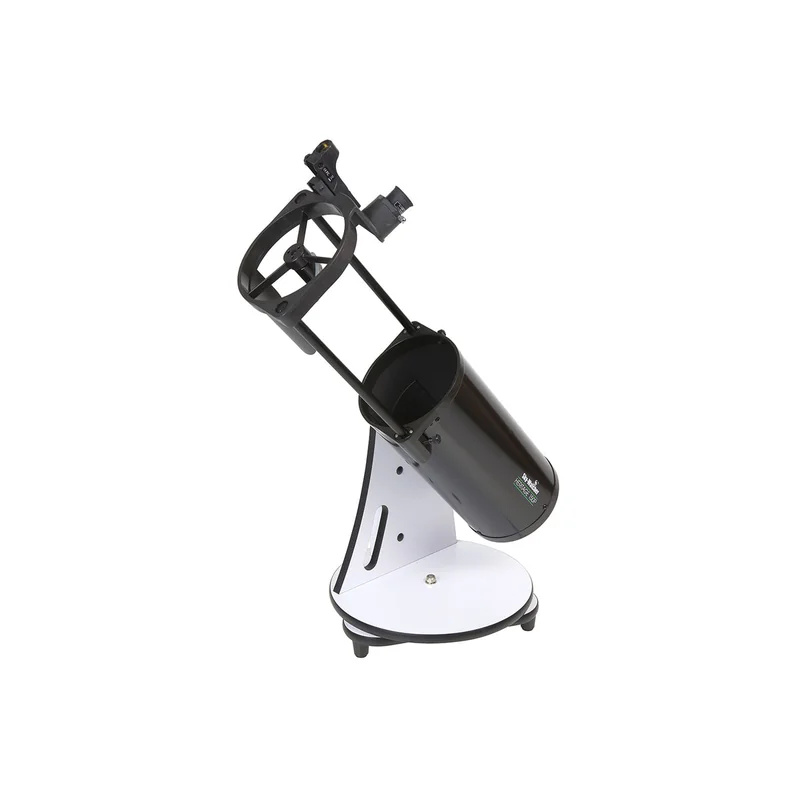
Sky-Watcher Heritage 150
- 150 mm reflector; 750 mm focal length; tabletop base.
Choose for: A larger visual telescope where storage and base space fit.
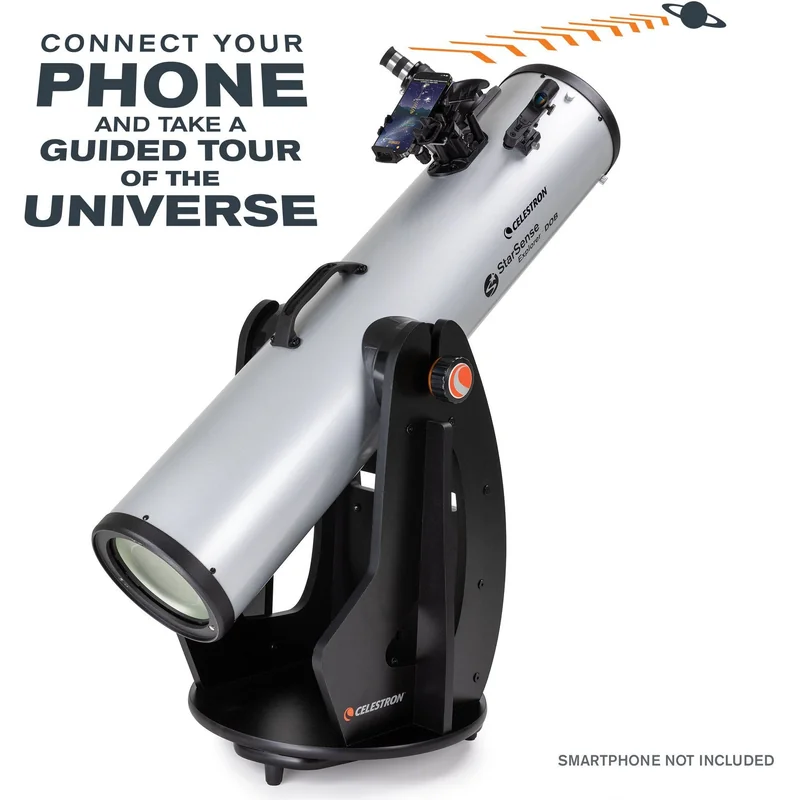
Celestron StarSense Explorer 8-inch Dobsonian
- 203 mm reflector; 1200 mm focal length; Dobsonian base.
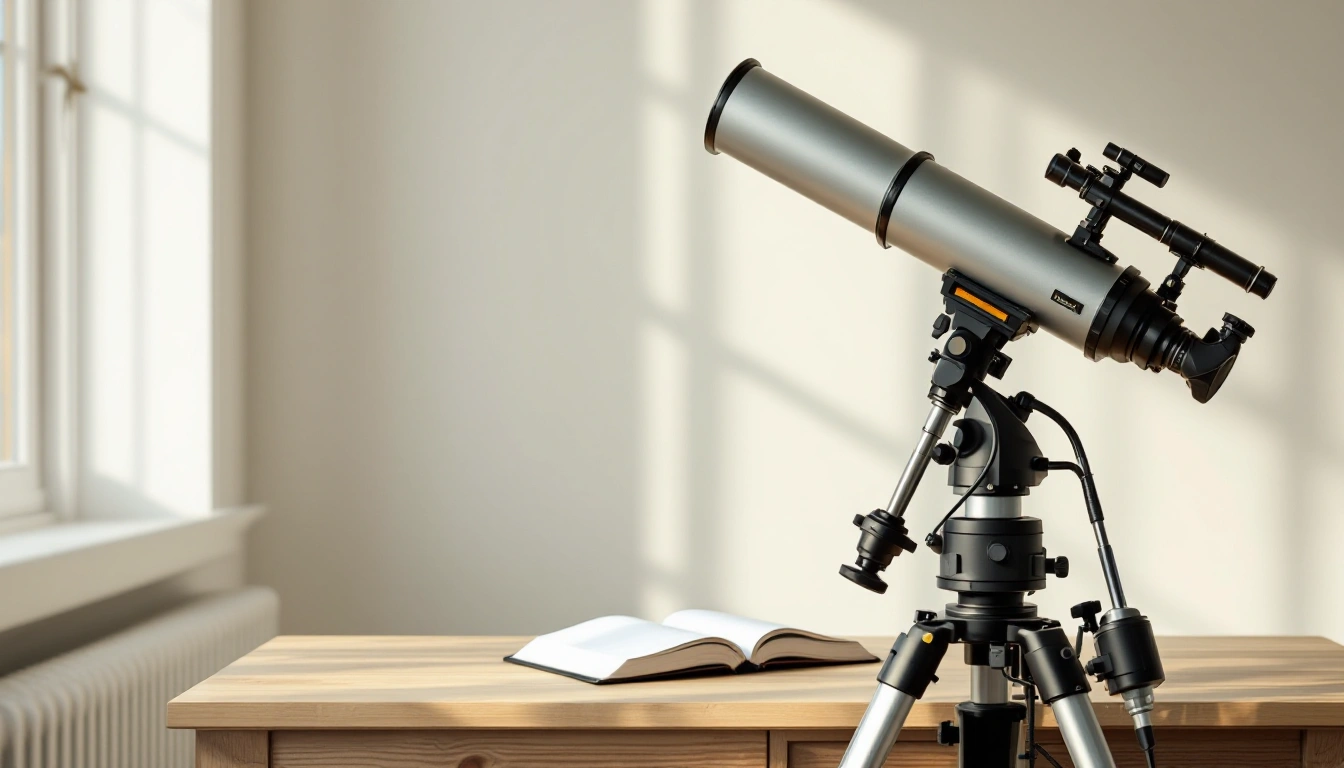
On this page
1. Celestron StarSense Explorer DX 102AZ
Celestron StarSense Explorer DX 102AZ
Maker specifications: 102 mm refractor; 660 mm focal length; manual alt-azimuth mount. A rear-eyepiece view with phone-assisted target finding. Check phone compatibility; pointing and tracking remain manual.
2. Celestron Inspire 100AZ
Maker specifications: 100 mm refractor; 660 mm focal length; manual tripod mount. A straightforward visual setup for an adult learning finder and mount controls. Check the rear eyepiece height for high targets.
3. Sky-Watcher Heritage 150
Maker specifications: 150 mm reflector; 750 mm focal length; tabletop base. A manual telescope where a firm observing surface is already practical. Include the table height and mirror-alignment routine in the choice.
4. Celestron StarSense Explorer 8-inch Dobsonian
Celestron StarSense Explorer 8-inch Dobsonian
Maker specifications: 203 mm reflector; 1200 mm focal length; Dobsonian base. A larger visual telescope where storage and base space fit. Carry the whole kit in the plan and follow its collimation manual.
Compare the picks
| Pick | Key facts | Best fit |
|---|---|---|
| Celestron StarSense Explorer DX 102AZ | 102 mm refractor; 660 mm focal length; manual alt-azimuth mount. | Choose for: A rear-eyepiece view with phone-assisted target finding. |
| Celestron Inspire 100AZ | 100 mm refractor; 660 mm focal length; manual tripod mount. | Choose for: A straightforward visual setup for an adult learning finder and mount controls. |
| Sky-Watcher Heritage 150 | 150 mm reflector; 750 mm focal length; tabletop base. | Choose for: A manual telescope where a firm observing surface is already practical. |
| Celestron StarSense Explorer 8-inch Dobsonian | 203 mm reflector; 1200 mm focal length; Dobsonian base. | Choose for: A larger visual telescope where storage and base space fit. |
Factors to consider when choosing a refractor or reflector
Reflector vs refractor telescope is a useful first comparison, but the design name does not choose the whole kit. A refractor bends light through front glass. A reflector brings light to focus with mirrors. Both need a suitable mount, eyepiece and place to observe.
Choose a refractor when you want a familiar rear-eyepiece layout and little routine mirror alignment. Assess a reflector when its aperture and mounting style fit your target and space. Compare the actual tube, base and viewing height. Color fringes, collimation and carrying bulk matter in different ways, so use exact maker examples rather than a universal winner.
Refractors: a rear-eyepiece optical path
In a refractor, front glass bends incoming light to a focus. The rear eyepiece often uses a diagonal so you can look from a more comfortable angle. The tube can be easy to understand because the main path runs along its length.
Simple color correction can leave a colored fringe around bright objects. That is chromatic aberration: different wavelengths do not focus at exactly the same place. Its visibility depends on the optical design, focal ratio, target and viewing conditions. A short achromat and a more complex lens design can differ in this respect.
The front optical assembly is not a routine place to start turning screws. Follow the maker's care instructions. A refractor may need less user mirror alignment than a Newtonian, but that does not remove setup, focus or drying tasks.
For a real example, Celestron lists the StarSense Explorer DX 102AZ as a 102 mm refractor with 660 mm focal length. Its tripod and manually moved alt-azimuth mount are part of the use case. Phone-assisted finding does not turn it into an automatically driven mount.
The Inspire 100AZ is another maker-documented refractor, with 100 mm aperture and 660 mm focal length. Compare its actual included kit and controls rather than treating the small aperture difference as the whole buying decision.
Reflectors: mirrors and a side eyepiece
A Newtonian reflector has a curved primary mirror at the rear. A smaller diagonal mirror sends the focused light out to the side. The eyepiece can sit high on the tube, which changes how you position a chair and reach the view.
The design avoids the same front-glass color-focus problem as a simple refractor. It has other optical and mechanical tradeoffs. A secondary mirror sits in the light path, and the mirrors need to be aligned. Follow the model's collimation method with the exact parts and controls named in its manual.
Choose this for a Dobsonian is a style of mount, commonly used with a Newtonian optical tube. It is not a separate kind of mirror. A tabletop Dobsonian needs a firm surface at a useful height; a floor-standing model needs enough room for its base and tube motion.
The Sky-Watcher Heritage 150 is a 150 mm, 750 mm focal-length tabletop reflector. Its collapsible tube and tabletop base define how it stores and sits outside. The larger opening is only part of the comparison with a tripod refractor.
The Celestron StarSense Explorer 8-inch Dobsonian shows another base and tube scale. Check its maker dimensions and full-kit handling before treating a larger reflector as an easy replacement for a compact setup.
Compare mounts and viewing height
A stable mount lets you focus and follow a target without waiting through long shakes. Its controls should be reachable from the viewing position. Test the position for low and high targets because the eyepiece moves as the tube points around the sky.
For a refractor, check where the rear eyepiece will sit when the tube points upward. A tripod that is too low may make you crouch. A higher extension may change stability. Include a suitable seat in the plan rather than using neck strain as a normal part of observing.
For a reflector, check the side eyepiece and any base surface. A tabletop model on a poor table is not a stable system. A larger floor base may need more space than the tube alone suggests. Keep the path around it clear for another observer.
Use how to use a telescope for first setup and finder practice. A familiar, steady mount often makes a greater practical difference than a small theoretical optical gain.
Maintenance, storage and total cost
A reflector owner should be willing to learn the exact alignment routine. This does not mean constant adjustment. It means checking when the manual calls for it and recognizing the controls. The collimation guide explains how to limit the task safely.
Either design needs care in damp conditions. Follow the maker's drying and storage instructions. Do not clean optical surfaces simply because a little dust is visible. Use the documented method when cleaning is needed and avoid touching coatings.
Compare complete kits. A tube-only price is not the price of an observing setup. A tabletop base may need a surface; a tripod kit may need no separate table but still needs useful eyepieces and storage. Keep missing costs separate until verified.
Check the route through your home and car. A tube can be compact while its base is broad. A long tube can be awkward around stairs. Choose the system you can carry without repeatedly dismantling parts you do not want to handle in the dark.
Choose by the observing task
For bright planets, both designs can work when the aperture, optical quality and mount are suitable. A larger opening does not remove air blur, and a longer focal length does not prove a better image. Read the aperture guide before turning one number into a planet score.
For broad fields, compare actual focal length and the useful eyepiece field. For family sharing, compare reach and adult setup. For travel, compare the complete packed kit. These questions lead to an exact model rather than a design label alone.
Move to the site's beginner telescope shortlist when you are ready to compare full products. Keep the reason for your choice specific: a stable tabletop place, a practical tripod setup or a carrying size you can manage.
Read next
Which optical design to choose
The reflector vs refractor telescope choice should follow the actual mount, maintenance task and viewing position. A refractor offers a familiar rear view; a Newtonian can put more aperture into a practical kit. Choose the complete system that fits your observing routine.
FAQ
Is a Dobsonian a reflector?
Dobsonian names the mounting approach, while Newtonian describes the common optical layout used on it. A typical beginner Dobsonian combines a Newtonian mirror tube with a simple moving base. A tabletop version also needs a firm surface at a useful observing height.
Does a refractor need no maintenance?
It still needs correct setup, dry storage and maker-directed care. It usually avoids the routine Newtonian mirror-alignment task, but its front optical assembly is not a reason to skip the manual. Keep glass protected and do not open or adjust an assembly that the maker does not name as user serviceable.
Which design is better for planets?
Compare the actual aperture, optical system, mount and conditions. Both designs can show planet detail when those parts work well. Color correction can matter in a refractor; alignment can matter in a reflector. A steady usable view is more important than declaring one entire design family the winner.
Should price decide the design?
Compare the complete observing kit at a verified current price. A low tube price may leave the mount, table or eyepieces unpriced. Then check carrying and storage. The cheaper system is only a useful saving if it can perform the job you want in the place you observe.