
How to Use Binoculars
Set eye spacing, eyecups, focus and diopter in the right order. Learn how to use binoculars for a clear night view and how to find the cause of blur.
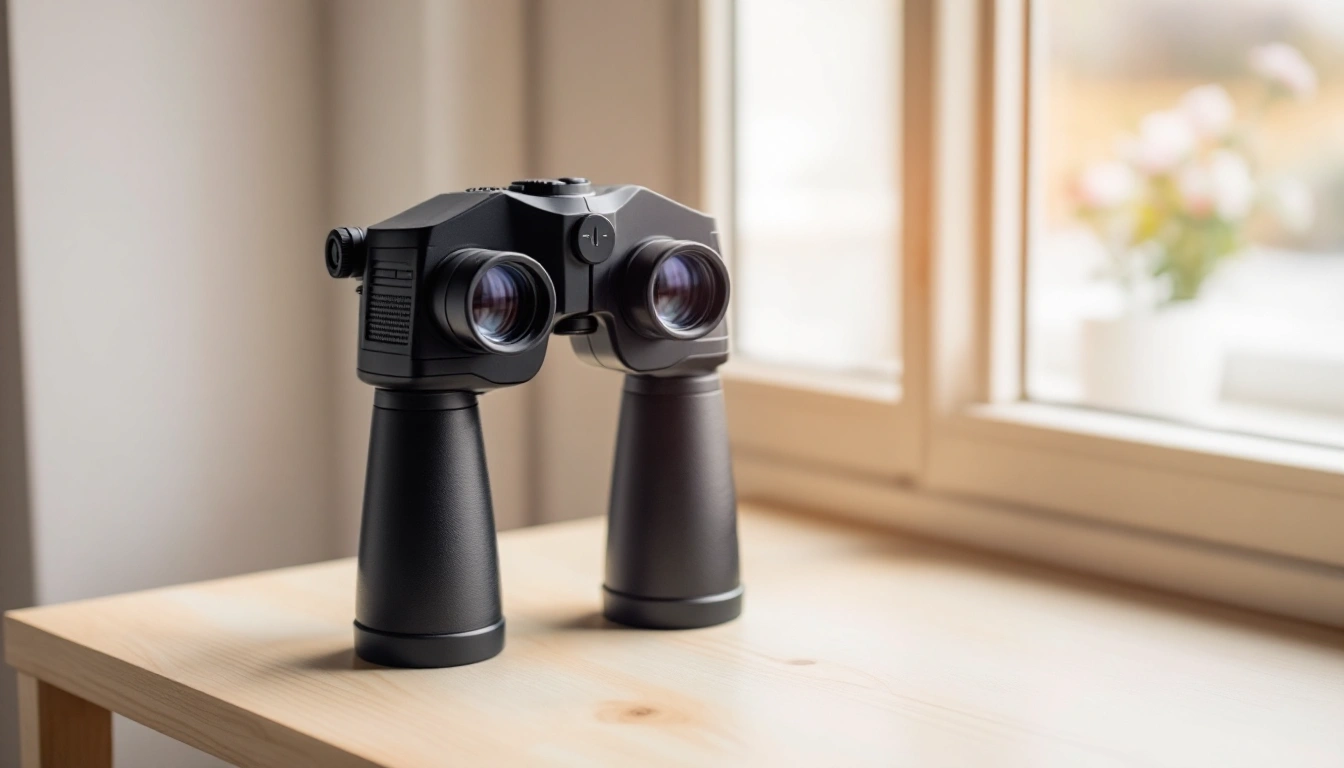
Fit the binoculars to your eyes before focusing. Follow the exact manual to balance the two eyes with the diopter control, then use the main focus wheel on a bright star.
On this page
Learning how to use binoculars begins with fit, not the focus wheel. If your eyes are too close, too far apart or too far behind the eyepieces, a sharp image can still look wrong. Set those things first, then balance the focus for each eye.
Use a distant safe target away from the Sun for the first setup. Adjust the hinge until you see one circle. Set the eyecups for your glasses. Follow the manual's focus and diopter order, then check a star at night. Stop if sharp views from each eye will not merge into a single relaxed view.
How to use binoculars: set the eye spacing
Hold the binoculars in a relaxed position. Move the hinge slowly until the two view circles become one. Keep both eyes open. If you have to squint or tilt your head, reset the spacing and try again.
The correct setting is personal. When you hand the pair to another person, they may need a different hinge position. An adult should check that a shared pair can close far enough for a child's eyes. If it cannot, there is no focus setting that will fix the fit.
Now set the eyecups. Glasses usually need a shorter eyecup position, while bare eyes may need more distance from the glass. Follow the model's manual. The goal is the full round field with no dark edges and no need to push hard against the eyepieces.
Balance the focus for each eye
Check where the diopter control is. It adjusts for the difference between your eyes. Many center-focus pairs place it on one eyepiece, but designs vary. Use the sequence for your model instead of copying a generic left-eye-first routine.
In the common center-focus arrangement, you use the main wheel to focus the side without the diopter. You then use the diopter to focus the other side without moving the wheel. Cover the unused front opening rather than pressing a hand against your eye. This avoids strain and keeps the pair steady.
Open both views and check the distant target. Once they are balanced, use the main wheel for normal changes in target distance. You should not have to keep turning the diopter each time you look elsewhere. Some individual-focus pairs use a separate setting for each eyepiece instead of a center wheel.
Nikon's binocular adjustment instructions explain the fit and focus sequence. Your own maker's manual controls if its design differs. Keep the caps and case nearby so you can pack the pair without leaving glass exposed.
Check focus on a star
A nearby land target and a star are at different focus distances. At night, center a bright star and turn the main wheel slowly. Stop where the star is smallest. If you pass that point and it grows again, come back with a smaller movement.
Sit down if the star keeps shaking. Hold still long enough to judge the focus. Turning the wheel while the image moves can make you chase a problem caused by your hands. Once the star is sharp, check both eyes together and then each eye on its own.
Choose a target you can locate without the binoculars. Look at it with your eyes, raise the pair along that line, then adjust gently. Sweeping at random while watching through the eyepieces can lose your place. If the field looks unfamiliar, lower the pair and restart.
Find the cause of blur or double views
One side is soft: Check its focus and the diopter setup. Look for fog, a dirty surface or an eyecup that keeps that eye too far away. Do not open the binocular body to clean inside.
Both sides are soft: Check focus on a distant target, then check for dew. Give cold equipment time to dry as the maker directs. Rubbing wet glass with a sleeve can spread grit and marks.
Dark crescents appear: Reset the hinge and eyecups. Move your eyes toward the middle of the exit beams. Focus does not fix an eye-position fault.
Each side is sharp but the views stay double: Stop and check the manual or contact the maker. Do not force your eyes to fuse the images. Do not turn hidden screws to align the pair yourself.
FAQ
Should I refocus when someone else uses the pair?
Yes. Their eye spacing and focus balance may differ from yours. Let them set the hinge and eyecups, then follow the diopter routine. When you take the pair back, restore your own fit. A mounted pair still needs these eye settings even though the target stays in place.
Why is daylight focus wrong at night?
Your daylight target may have been much closer than the stars. Refocus on a bright star rather than leaving the wheel at a remembered mark. Check the image from a seat so hand shake does not hide the sharp point. Keep the diopter balance unless your eye setup has changed.
Should I close an eye to set the diopter?
Use the maker's method. Covering an opening can let you keep both eyes relaxed, which helps avoid squinting. Do not press on the glass or push hard against an eyelid. Keep the pair pointed at the same distant target while you set each side.
Can I fix alignment with the focus wheel?
No. Focus changes sharpness; it does not align two optical paths. If both sides are sharp alone but will not merge at the right eye spacing, stop and ask the maker about the fault. Hidden adjustment screws are not routine user controls.
Read next
Keep a clear view in both eyes
How to use binoculars is a short sequence: fit the hinge, set the eyecups, balance the eyes and focus on the target. Work in that order. A relaxed single view is the result to look for, rather than a focus wheel turned as far as it goes.