
4 Binocular and Telescope Setups Compared in 2026
Compare binoculars vs telescope by the view you want: wide star fields, small planet detail, carrying weight and the work needed to set up.
Our top 4 picks
Choose for: A broad handheld view from a comfortable seat.
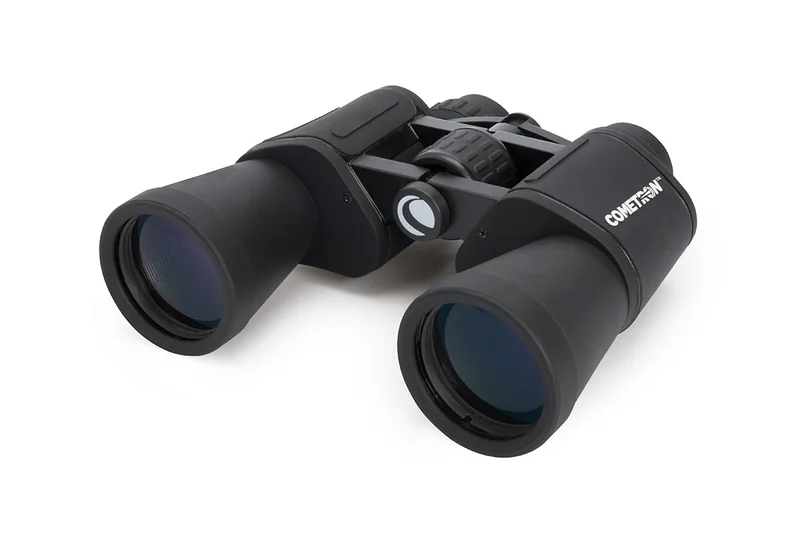
Celestron Cometron 7x50
- 7x power; 50 mm openings; 6.6-degree field; 774 g.
Choose for: A larger binocular system with a planned stable mount.
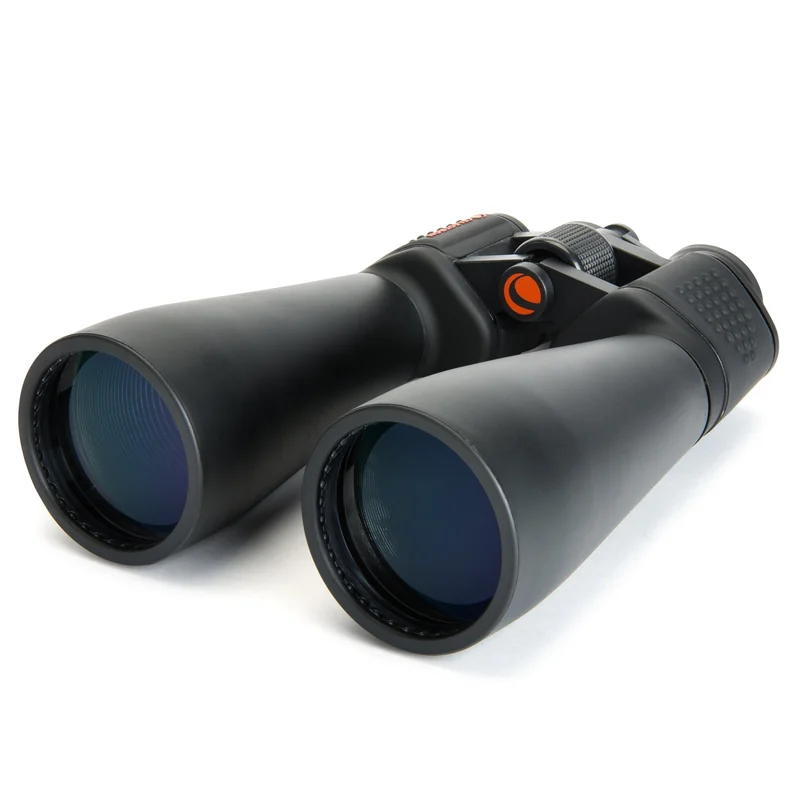
Celestron SkyMaster 15x70
- 15x power; 70 mm openings; 4.4-degree field; 1361 g.
Choose for: A manual telescope where a firm observing surface is already practical.
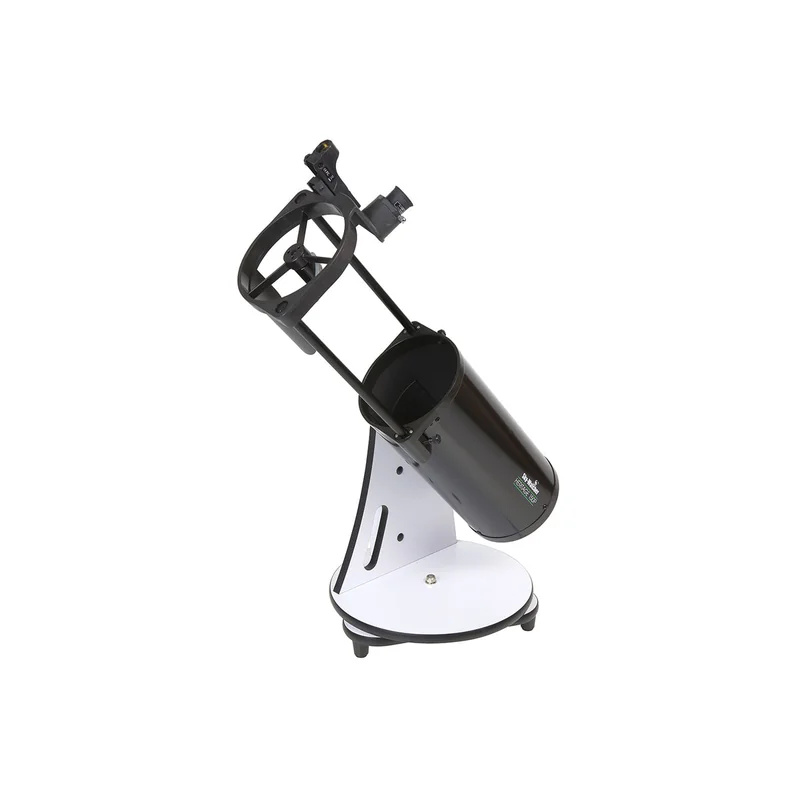
Sky-Watcher Heritage 150
- 150 mm reflector; 750 mm focal length; tabletop base.
Choose for: A rear-eyepiece view with phone-assisted target finding.
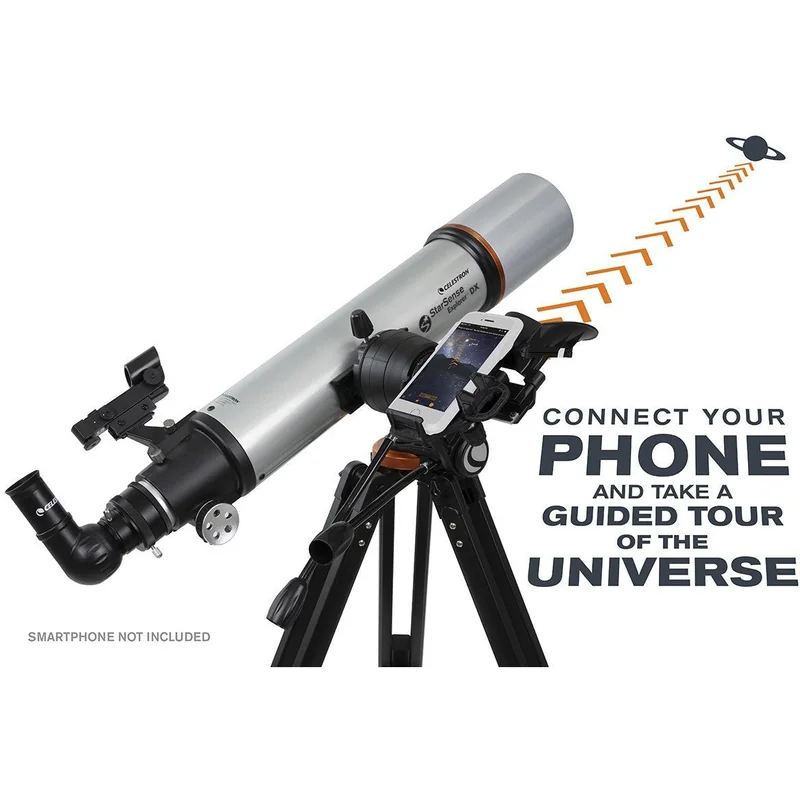
Celestron StarSense Explorer DX 102AZ
- 102 mm refractor; 660 mm focal length; manual alt-azimuth mount.
On this page
1. Celestron Cometron 7x50
Maker specifications: 7x power; 50 mm openings; 6.6-degree field; 774 g. A broad handheld view from a comfortable seat. Check 13 mm eye relief with your own glasses.
2. Celestron SkyMaster 15x70
Maker specifications: 15x power; 70 mm openings; 4.4-degree field; 1361 g. A larger binocular system with a planned stable mount. The adapter is included; the tripod is separate.
3. Sky-Watcher Heritage 150
Maker specifications: 150 mm reflector; 750 mm focal length; tabletop base. A manual telescope where a firm observing surface is already practical. Include the table height and mirror-alignment routine in the choice.
4. Celestron StarSense Explorer DX 102AZ
Celestron StarSense Explorer DX 102AZ
Maker specifications: 102 mm refractor; 660 mm focal length; manual alt-azimuth mount. A rear-eyepiece view with phone-assisted target finding. Check phone compatibility; pointing and tracking remain manual.
Compare the picks
| Pick | Key facts | Best fit |
|---|---|---|
| Celestron Cometron 7x50 | 7x power; 50 mm openings; 6.6-degree field; 774 g. | Choose for: A broad handheld view from a comfortable seat. |
| Celestron SkyMaster 15x70 | 15x power; 70 mm openings; 4.4-degree field; 1361 g. | Choose for: A larger binocular system with a planned stable mount. |
| Sky-Watcher Heritage 150 | 150 mm reflector; 750 mm focal length; tabletop base. | Choose for: A manual telescope where a firm observing surface is already practical. |
| Celestron StarSense Explorer DX 102AZ | 102 mm refractor; 660 mm focal length; manual alt-azimuth mount. | Choose for: A rear-eyepiece view with phone-assisted target finding. |
Factors to consider when choosing binoculars or a telescope
Binoculars vs telescope is a choice between different observing jobs. Binoculars make a broad patch of sky easy to scan. A telescope can enlarge a small target through a range of eyepieces. The best first instrument depends on what you want to look at and how you will carry and steady it.
Start with binoculars if your goal is star patterns, broad star groups and short sessions with little setup. Choose a telescope if you want a clearer look at planet detail or a mounted eyepiece view to share. Include the tripod, base, seat and accessories in the choice. More aperture is useful only in a kit you can use well.
Binoculars vs telescope at a glance
The picks compare the observing methods, not a test score. There are large mounted binoculars and small portable telescopes. Read the whole kit rather than using the category name as a weight or cost promise.
Why binoculars suit wide views
Looking through both eyes can feel natural. A broad field makes it easier to keep your place among stars. Lower the pair, look at the pattern with your eyes, then raise it again. This is useful when you are learning to read a chart.
Choose this for a handheld pair can be ready in a short time. You still need to set the hinge, eyecups and focus balance. Once those are right, a seat and a clear patch of sky may be all you need. The binocular astronomy guide explains the first session.
For a concrete size comparison, Celestron's published Cometron specifications give 7x magnification and 50 mm openings. Its SkyMaster 15x70 has higher power and larger openings, but also more mass. The larger pair changes the steadiness and carrying decision. See the maker facts in the stargazing binocular comparison.
Why a telescope suits small detail
A telescope has a mount to hold its optical tube. Its eyepieces let you select a useful magnification for the target and conditions. Start low to find the target, then add power only while the view stays sharp and steady.
This is a better match for trying to see Saturn's rings or cloud bands on Jupiter. It does not make the view look like a processed photo. Air motion, target height, focus and the telescope itself all affect the detail you can see.
The Sky-Watcher Heritage 150 is a tabletop reflector, so the base needs a firm surface at a useful height. The Celestron StarSense Explorer DX 102AZ uses a refractor and a tripod mount. Those maker examples show why mount and posture belong in the comparison as much as optical design.
Use the beginner telescope comparison for a buying decision. Compare each named model’s optics, support and carried kit in the picks above.
Compare the full kit and setup
For binoculars, count the pair, case and any adapter or mount. A large pair on a tripod may be less portable than you first expect. Check whether the eyepieces are reachable when the target is high.
For a telescope, count the optical tube, mount, tripod or table, and the eyepieces needed for a first session. Check how they move through doorways and where they will dry and store. A compact tube can still need a broad base.
Do not compare an instrument price with a complete kit price. Read what comes in each box and list missing items separately. If a cost is absent, leave it open until you have a current source. The telescope cost guide explains how to build that list.
Read next
Which observing setup to choose
Binoculars vs telescope is easiest to settle by target. Wide fields and quick looks favor binoculars. Small planet detail favors a telescope with a steady mount. Compare the kit you will actually use rather than expecting one instrument to win every job.
FAQ
Should everyone start with binoculars?
No. They are a good route into wide sky views, but a person who mainly wants planet detail may prefer a telescope from the start. Choose the task first. The setup should also fit the place you observe and the amount of gear you will carry outside.
Can binoculars replace a telescope?
For wide star fields they may do the job you want without a telescope. For small planet features they have limits. Many observers use both because the views differ. You do not need both at once; learn what your first instrument does before adding a second.
Is a telescope harder to aim?
Its main view can be narrower, so a finder and a low-power eyepiece help. Learn those controls before dark and practice tracking a target. An app-assisted telescope still needs correct setup. A simple mount used well can be easier than a more elaborate kit used without practice.
Which is better for an adult-led session?
Choose the kit the adult can set up and keep on target. A mounted telescope lets people take turns at one eyepiece. Handheld binoculars need each person's eye spacing and focus checked. Keep turns short, use a reachable viewing height and let the adult handle equipment changes.