
10x50 Binoculars
Learn what 10x50 binoculars mean for a night sky view, how to keep them steady and which fit checks matter before you buy.
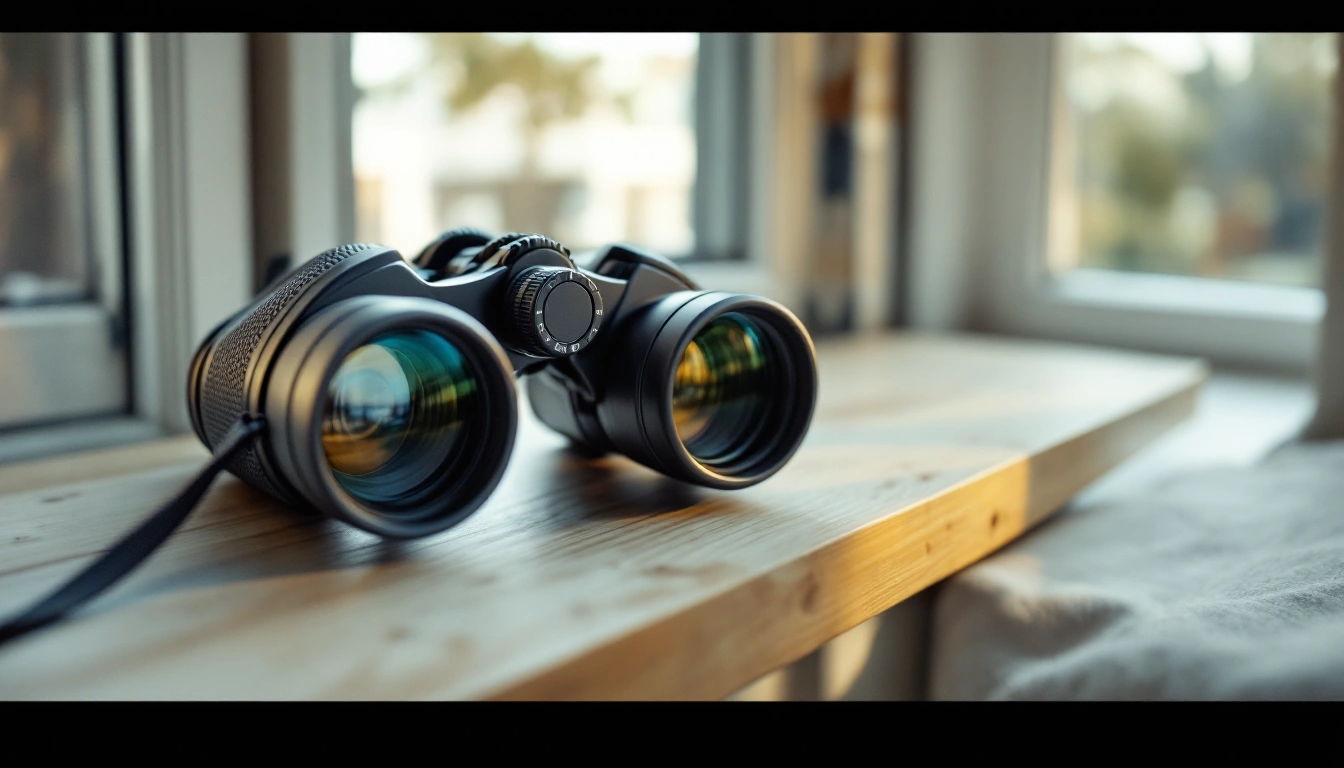
A 10x50 pair gives ten-times magnification through 50 mm front openings. It is a useful size to assess for handheld astronomy, provided you can keep the image still and see the full field.
On this page
10x50 binoculars combine ten-times magnification with a 50 mm front opening on each side. They sit between small travel pairs and large astronomy pairs that need a mount. Their appeal is a wide sky view in a kit you may be able to use from a chair.
Choose this size for star fields and large star groups if the pair fits your face and stays steady in your hands. Check weight, eye relief and field of view on the exact model. The 10x50 marking alone does not tell you any of those things. A seat or mount can make the view easier to use.
What 10x50 binoculars actually tell you
The 10 is the magnification. The 50 is the diameter of each front opening in millimeters. This is a size class, not a model or a guarantee of quality. Two pairs with the same marking can differ in weight, field of view, focus feel and weather sealing.
Exit pupil is the width of the beam that leaves the eyepiece. Divide aperture by magnification: 50 mm divided by 10 gives a 5 mm exit pupil. This is an optical calculation, not a measure of how much you will see. Your eye pupil, the sky and the quality of the optics still matter.
A larger exit pupil does not make every target better. If your eye cannot take in the full beam, part of it misses your pupil. A smaller beam can also make eye position less forgiving. Try the actual pair where possible, with the glasses you plan to wear outside.
The Nikon binocular guide explains magnification, aperture and exit pupil. Use the full numbers guide to compare other size classes and field units. Keep the calculation separate from the buying decision.
Can you hold ten-times power still?
Ten-times power makes stars look farther apart, but it also makes hand movement easier to see. This becomes clear when you try to focus on a bright star. If it traces a small loop in the field, the problem may be shake rather than poor optics.
Sit with your back resting against the chair. Keep your elbows close and find a relaxed grip. Do not lean your neck far back for a long view. Move the chair or choose a lower target instead. A comfortable position is part of the optical setup because it affects how much detail you can hold in view.
Give the image a moment to settle. Check whether you can keep a star near the middle without gripping harder. If the view gets worse as the session goes on, take a break. Tired arms can turn a useful pair into a poor one.
A mount is worth assessing if you want long looks, a shared field or a sketch. First confirm that the model takes a tripod adapter. Then check how the adapter fits the hinge and whether the tripod head can point high enough. A camera tripod that only feels comfortable near the horizon may not suit astronomy.
Check glasses fit and eye spacing
Set the hinge so both fields merge into one circle. A pair whose closest barrel spacing is still too wide will not fit a narrow face. This is especially relevant when an adult plans to share it with a child. Do not buy from magnification alone and assume everyone can use it.
If you wear glasses, lower or twist the eyecups as the manual directs. Look for the full field edge without pressing your glasses into the eyepiece. Eye relief is useful as a first check, but eyecup design and your glasses also affect the real fit.
Turn your head slightly and check for dark edges. If they follow the eye position, reset the eyecups and spacing before changing focus. A focus wheel cannot fix an eye that is too far from the right viewing point.
Balance the two eyes with the diopter control in the maker's order. Then focus on a distant star. For a full setup sequence and checks for double images, use how to use binoculars. Do not adjust the body's hidden alignment screws.
What the sky view can show
A 10x50 pair suits broad star patterns, bright star groups and a first look at the Moon. A large patch of sky helps you keep context as you move between chart and view. You may see more stars within a familiar pattern than your eyes show alone.
Expect small targets to stay small. Planets can be easy to locate but hard to study in detail. If your goal is clear rings or fine surface detail, compare a telescope rather than treating this size as a substitute for high power.
Faint hazy targets depend on sky glow and transparency. A bright local light near your face can be a larger problem than a small difference between models. Pick a spot that shields your eyes from direct light. Keep a clear route back and let your eyes settle into the dark.
Do not judge a pair against a colorful processed image. A camera can stack many frames while your eyes see the scene in real time. Start with a target you can locate and describe. A simple sketch of the field is enough to record what the pair does for you.
When another size makes more sense
A lower-power pair may be easier to hold still. A larger mounted pair may suit long looks at star fields. Neither is automatically an upgrade. Each choice changes the way you use and carry the kit.
Before moving up in size, try your present pair from a seat. Before buying a tripod, check that its viewing height and head motion suit the sky. Before buying higher power, ask whether the main problem is finding the target or seeing small detail once it is found.
Our stargazing binocular shortlist compares the models for different uses. Its two models have different powers and lens sizes from a 10x50. Use that page to compare the full kit, then check the exact model's fit and manual.
FAQ
Are all 10x50 binoculars alike?
No. The marking states only magnification and front opening. Check the exact model's field, eye relief, mass and hinge range. Also check whether it takes a mount and whether it is made for the weather you expect. These differences can matter more than the shared size label.
Do I need a tripod right away?
Try a seated view first. If stars still shake too much for the task, check the maker's mounting instructions. A tripod can hold the field but adds bulk and may make high targets awkward. The right choice depends on your grip, posture and length of each look.
Is this size good for sharing?
It can be, if the hinge fits both observers and each can reach a useful eye position. An adult should reset focus and eye spacing as needed. A mounted view is easier to hold on a target, though each person still needs to place their eyes correctly.
Why does the view have dark crescents?
Eye spacing or eye distance is often the first thing to check. Reset the hinge and eyecups, then look straight through the middle. If each side is clear alone but the combined view stays wrong, follow the manual's fault checks or ask the maker about alignment.
Read next
When 10x50 binoculars fit
10x50 binoculars can be a useful bridge from naked-eye star patterns to closer sky views. Choose by fit and steadiness as well as aperture. The best reason to buy this size is that you can use it well from the place and position where you observe.